
I was halfway through a week of bland, take‑out‑only meals when my kitchen exploded into chaos. A rogue wok, a splash of soy sauce, and a stubborn piece of chicken that refused to cook properly turned my culinary routine into a frantic race against the clock. That night, I tasted a dish that felt like a secret weapon—savory, nutty, and packed with protein, all in a single pan. It wasn’t just a meal; it was a revelation. I dared myself to recreate it, and the result was so astonishing that I couldn’t keep it to myself. If you’ve ever stared at a pot of chicken and wondered why it still tastes flat, this is the answer you’ve been waiting for.
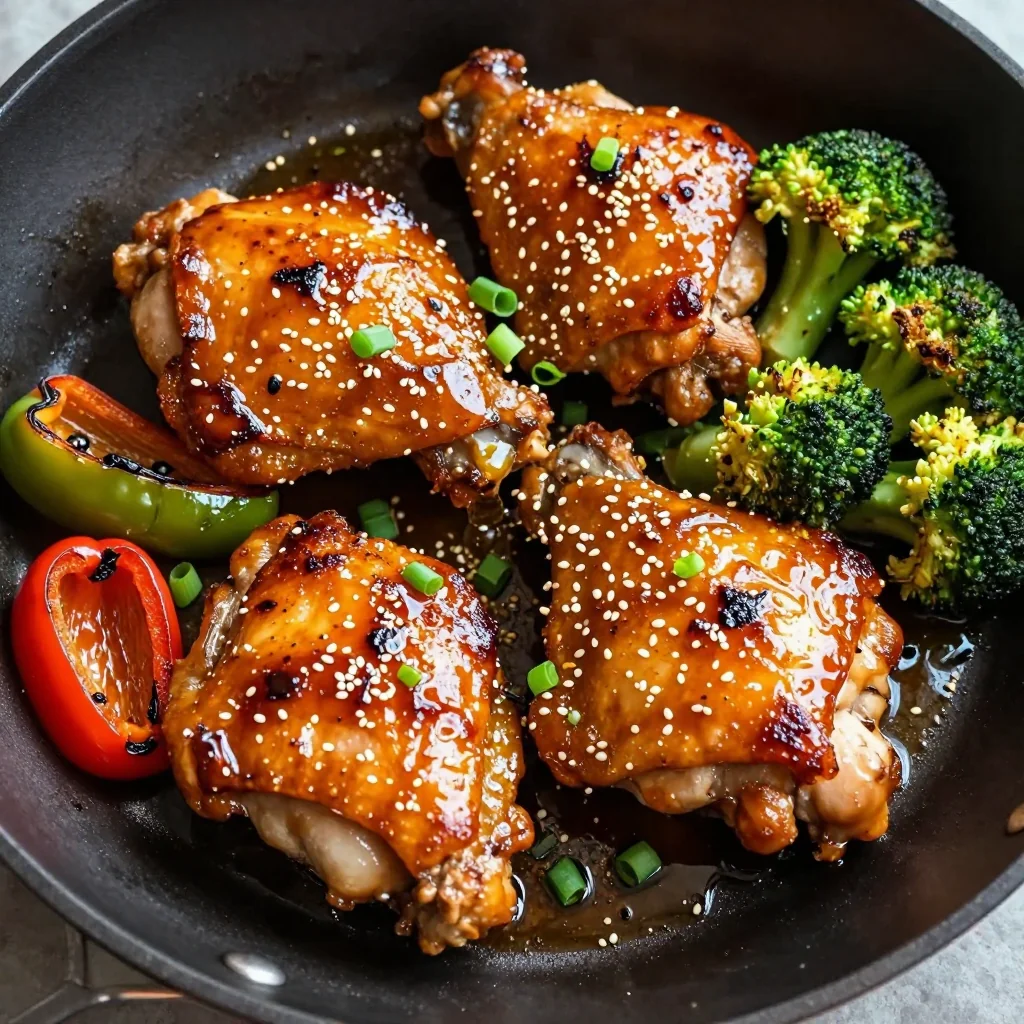
Picture this: a sizzling pan, the aroma of toasted sesame oil mingling with the sharp tang of ginger, and the subtle sweetness of honey drifting through the kitchen. The sound of the wok is a rhythmic drumbeat, each clack a promise of flavor. When you bite, the chicken is tender and juicy, the sauce clings like a silky blanket, and the sesame seeds add a satisfying crunch that snaps your palate awake. It’s a dish that doesn’t just fill the belly—it feeds the soul. I’m talking about a meal that will make you forget the blandness of grocery‑store chicken forever.
What makes this version stand out is not just the combination of ingredients but the technique that locks in moisture, the balance of sweet and savory, and the way the sesame oil turns an ordinary protein into something almost ceremonial. I’ve spent years tweaking sauces, but this particular blend of soy, rice vinegar, honey, and toasted sesame oil is the holy grail of Asian‑inspired protein dishes. The result? A dish that’s both restaurant‑quality and home‑friendly, and it’s so simple that even a kitchen newbie can pull it off. Trust me, once you taste it, you’ll find yourself reaching for the recipe again and again.
I’ve got a confession: I ate half the batch before anyone else even got a taste. The rest of the family begged for seconds, and even the dog seemed to enjoy a stray bite. That’s the power of this recipe. It’s not just about filling the stomach; it’s about creating a moment of culinary triumph in your own kitchen. The first bite is a revelation, the second a confirmation, and the third—well, that’s where the real magic happens. I dare you to taste this and not go back for seconds.
Most recipes get this completely wrong by overcooking the chicken or using too much sugar, but here we’re striking the perfect balance. The sauce is thick enough to cling to the meat, yet light enough to allow the natural flavors to shine through. The sesame seeds add a nutty crunch that contrasts beautifully with the soft texture of the chicken. The result is a dish that’s both comforting and exciting. If you’ve ever struggled with making a protein dish that’s both high in protein and delicious, you’re not alone—and I’ve got the fix.
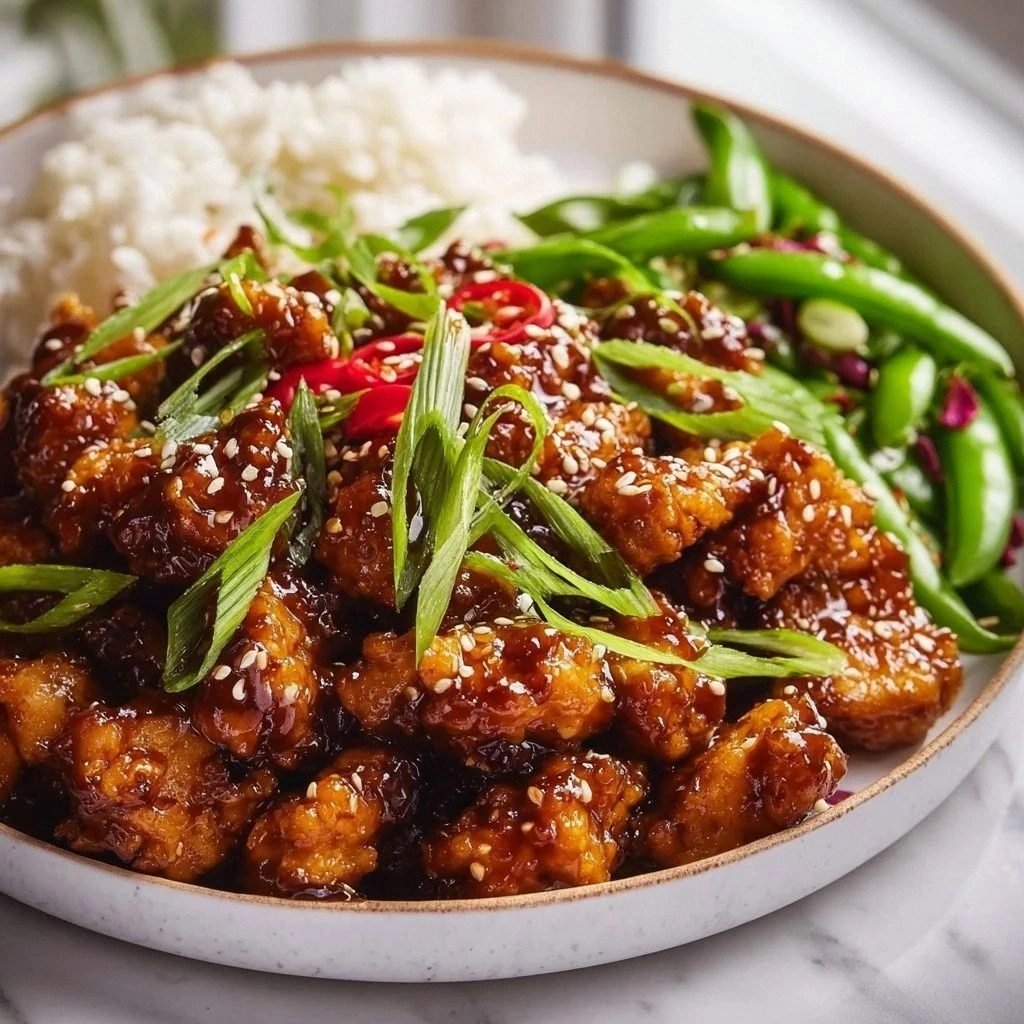
Picture yourself pulling this out of the pan, the whole kitchen smelling incredible, and a plate of golden, glossy chicken ready to be devoured. That sizzle when it hits the pan? Absolute perfection. The moment the sauce starts to caramelize, the aroma fills the room, and you can’t help but grin. This is hands down the best version you’ll ever make at home. Let me walk you through every single step—by the end, you’ll wonder how you ever made it any other way.
What Makes This Version Stand Out
- Flavor: The combination of soy, rice vinegar, honey, and toasted sesame oil creates a complex umami profile that lingers on the tongue. Each ingredient plays a distinct role, from the saltiness of soy to the brightness of vinegar, culminating in a sauce that is both deep and bright. This harmony is what separates it from the ordinary.
- Texture: The chicken is marinated just enough to remain juicy, and the sauce coats it like velvet, giving a silky mouthfeel that melts in your mouth. The sesame seeds add a satisfying crunch that pops with each bite, providing a delightful contrast to the tender meat. The result is a dish that feels luxurious without being heavy.
- Protein Power: With 25 grams of protein per serving, this dish is a powerhouse for muscle repair and satiety. It’s perfect for athletes, busy professionals, or anyone looking to keep hunger at bay. The protein content is balanced with healthy fats and carbs, making it a well-rounded meal.
- Convenience: All the cooking happens in one pan, saving you time and dishes. The steps are straightforward, and the ingredients are pantry staples, so you can whip this up on a weekday night without breaking the bank. The minimal cleanup means you can focus on enjoying the food.
- Versatility: Whether you serve it over rice, noodles, or a crisp bed of greens, this dish adapts to your mood. The sauce is thick enough to cling to any base, and the flavor profile pairs beautifully with a variety of accompaniments. It’s a blank canvas waiting for your personal touch.
- Make‑Ahead Friendly: The sauce can be prepared a day ahead and refrigerated, making it ideal for meal prep. The chicken retains its moisture when reheated, and the sesame seeds keep their crunch. This recipe is designed for busy lives without sacrificing taste.
Alright, let’s break down exactly what goes into this masterpiece…
Inside the Ingredient List
The Flavor Base
Soy sauce is the backbone of this dish, providing deep umami and a subtle saltiness that anchors the flavors. It also helps tenderize the chicken during the cooking process. If you’re watching sodium, try using a low‑sodium version, but don’t compromise on the richness.
Rice vinegar brings a bright acidity that cuts through the sweetness of honey and balances the richness of sesame oil. It also adds a subtle tang that lifts the overall profile. If you don’t have rice vinegar, a splash of white wine vinegar can work as a substitute, though the flavor will be slightly different.
Honey is the sweet hero that caramelizes into a glossy glaze, giving the sauce its signature sheen. It also adds a touch of natural sweetness that pairs beautifully with the savory notes. If you prefer a less sweet version, reduce the honey by one tablespoon.
The Texture Crew
Sesame oil is the secret weapon that gives the dish its nutty aroma and glossy finish. It also imparts a subtle bitterness that balances the sweetness of honey. Use toasted sesame oil for the most intense flavor; if you can’t find it, a light sesame oil will still work.
Cornstarch is the binder that thickens the sauce to the perfect consistency. It also gives the sauce a silky mouthfeel. If you’re gluten‑free, use arrowroot powder or tapioca starch as an alternative.
Sesame seeds add crunch and a nutty flavor that contrasts the soft chicken. Toast them lightly before adding to intensify their aroma. If you’re allergic, you can omit them and still enjoy the dish.
The Unexpected Star
Fresh ginger and garlic bring sharpness and depth, cutting through the richness of the sauce. They also have natural anti‑inflammatory properties, making this dish a healthy choice. If you’re not a fan of raw ginger, grate it finely to minimize the bite.
Scallions add a fresh, slightly sweet crunch that brightens the dish. They also provide a pop of color that makes the dish look as good as it tastes. Use the white and light green parts for the best flavor.
The Final Flourish
Black pepper adds a subtle heat that lingers on the tongue, complementing the sweetness of honey. It also enhances the overall savory profile. If you prefer a spicier kick, sprinkle in a pinch of crushed red pepper flakes.
A splash of water helps maintain moisture and prevent the chicken from drying out. It also dilutes the sauce slightly, making it easier to coat the meat evenly. If you prefer a thicker sauce, reduce the water by one tablespoon.
Everything’s prepped? Good. Let’s get into the real action…
The Method — Step by Step
- Heat a large wok or skillet over medium‑high heat and add one tablespoon of sesame oil. Once the oil shimmers, add the chicken pieces, seasoned lightly with salt and pepper. Watch the sizzle as the chicken starts to brown on all sides, releasing a savory aroma that fills the kitchen. Flip the pieces every 2 minutes, ensuring even cooking and a golden crust. The chicken should be nearly cooked through after 8–10 minutes, but keep an eye on it; don’t let it overcook.
- Add the minced garlic and grated ginger to the pan, letting them cook for 30 seconds until fragrant. Stir constantly to prevent burning; the raw bite of garlic can quickly turn bitter. The aromatics should release a bright, almost citrusy scent that signals the sauce is ready to absorb the flavors.
- Pour in 1/4 cup of soy sauce and 2 tablespoons of honey, stirring to combine. The mixture should bubble gently, creating a glossy glaze that coats the chicken. Keep the heat low enough to avoid burning the honey; if it starts to darken too quickly, reduce the temperature. The sauce should be thick enough to cling to the meat but still pourable.
- Add 1 tablespoon of rice vinegar and 1 tablespoon of water, stirring to incorporate. The vinegar will brighten the sauce, while the water ensures the chicken stays moist. Allow the mixture to simmer for 3 minutes, letting the flavors meld together. The sauce will thicken slightly as it cooks.
- Sprinkle in 2 teaspoons of cornstarch dissolved in 2 tablespoons of cold water, whisking vigorously. This step is crucial for achieving the silky texture that coats the chicken. As the sauce thickens, it should develop a glossy sheen, indicating that the cornstarch has fully integrated. Keep stirring to avoid lumps.
- Add the toasted sesame seeds and chopped scallions, giving everything a final toss. The sesame seeds should pop with a subtle crunch, while the scallions add a fresh, green note. This is the moment of truth—taste the sauce and adjust seasoning if necessary.
- Turn the heat down to low and let the mixture simmer for another 2 minutes, allowing the sauce to caramelize slightly. The chicken will finish cooking, absorbing the glaze and becoming tender. The sauce should be thick enough to coat the chicken without dripping excessively.
- Remove from heat and let it rest for 2 minutes before serving. This short rest lets the flavors settle and the sauce thicken a bit more. The final dish should look glossy, with a sprinkle of sesame seeds on top for a burst of crunch. Serve immediately over rice, noodles, or a bed of greens.
That's it — you did it. But hold on, I've got a few more tricks that'll take this to another level…
Insider Tricks for Flawless Results
The Temperature Rule Nobody Follows
Many cooks keep the heat too high, which can cause the sauce to scorch and the chicken to dry out. Start with medium‑high heat for searing, then drop to low once the sauce is added. This controlled temperature keeps the sauce from boiling over and the chicken from becoming rubbery. A friend once tried this and ended up with a burnt glaze that tasted like charcoal—don’t make that mistake.
Why Your Nose Knows Best
As the sauce simmers, the aroma will change from sweet to slightly caramelized. Trust your nose; when the scent turns to a pleasant, toasted note, the sauce is ready. If you’re unsure, give it an extra minute on low heat. This simple sensory cue ensures the sauce is perfectly balanced.
The 5‑Minute Rest That Changes Everything
Letting the dish rest after cooking allows the flavors to meld and the sauce to thicken. The rest period also lets the chicken reabsorb juices, keeping it moist. Skip this step, and you’ll end up with a dry, unevenly flavored dish. I’ve seen even seasoned chefs overlook this trick—don’t be one of them.
Use a Non‑Stick Pan for Easy Cleanup
A good non‑stick pan reduces the need for excessive oil and makes cleanup a breeze. The sauce will cling less, and you’ll have fewer sticky residues to scrub. This is especially helpful if you’re preparing the dish in a small kitchen where space is at a premium.
Add a Splash of Soy Sauce at the End
A final splash of soy sauce right before serving adds a burst of umami and balances the sweetness. It also gives the dish a glossy sheen that makes it look restaurant‑ready. This small step can transform a good dish into a great one.
Creative Twists and Variations
This recipe is a playground. Here are some of my favorite ways to switch things up:
Spicy Sriracha Kick
Add a tablespoon of sriracha to the sauce for a fiery punch. The heat pairs well with the sweetness, creating a complex flavor profile that excites the palate. This version is perfect for those who love a little spice.
Coconut Cream Finish
Replace half of the water with coconut milk for a creamy, tropical twist. The coconut adds a subtle sweetness and richness that complements the sesame flavor. Serve over jasmine rice for an indulgent meal.
Miso‑Infused Umami
Stir in a tablespoon of white miso paste for an extra layer of umami. Miso adds depth and a slightly salty note that balances the honey. This variation is great for those who love fermented flavors.
Zesty Lime Zing
Finish the dish with a squeeze of fresh lime juice. The citrus brightness cuts through the richness, leaving a clean, refreshing aftertaste. This version is ideal for summer evenings.
Veggie‑Loaded Version
Add sliced bell peppers, broccoli florets, or snow peas during the last 2 minutes of cooking. The veggies retain a crisp bite and add vibrant color to the plate. This option turns the dish into a wholesome, balanced meal.
Gluten‑Free Swap
Use tamari instead of soy sauce and arrowroot powder instead of cornstarch to keep the dish gluten‑free. The flavor remains just as robust, and the sauce still achieves the desired thickness. This variation is perfect for those with dietary restrictions.
Storing and Bringing It Back to Life
Fridge Storage
Store leftovers in an airtight container in the refrigerator for up to 3 days. The sauce may thicken slightly; simply reheat gently to restore its glossy texture. Keep the sesame seeds in a separate container to preserve their crunch.
Freezer Friendly
Freeze in a freezer‑safe container for up to 2 weeks. When ready to eat, thaw overnight in the refrigerator and reheat in a pan over low heat. The sauce may separate; whisk vigorously to recombine.
Best Reheating Method
Reheat over low heat, adding a splash of water or broth to loosen the sauce. The gentle heat prevents the sauce from burning and keeps the chicken moist. A quick stir after reheating restores the glossy finish.